2014
Three-Dimensional Microvasculature in Rat and Human Hearts Using a Non-injection Ca²⁺-ATPase Method on Thick and Ultra-Thick Sections
Peer Reviewed

Dr. Amaiak Chilingaryan is a board-certified neurologist and USC Keck–trained clinical neurophysiologist serving the Glendale community with evidence-based, multidisciplinary neurological care.
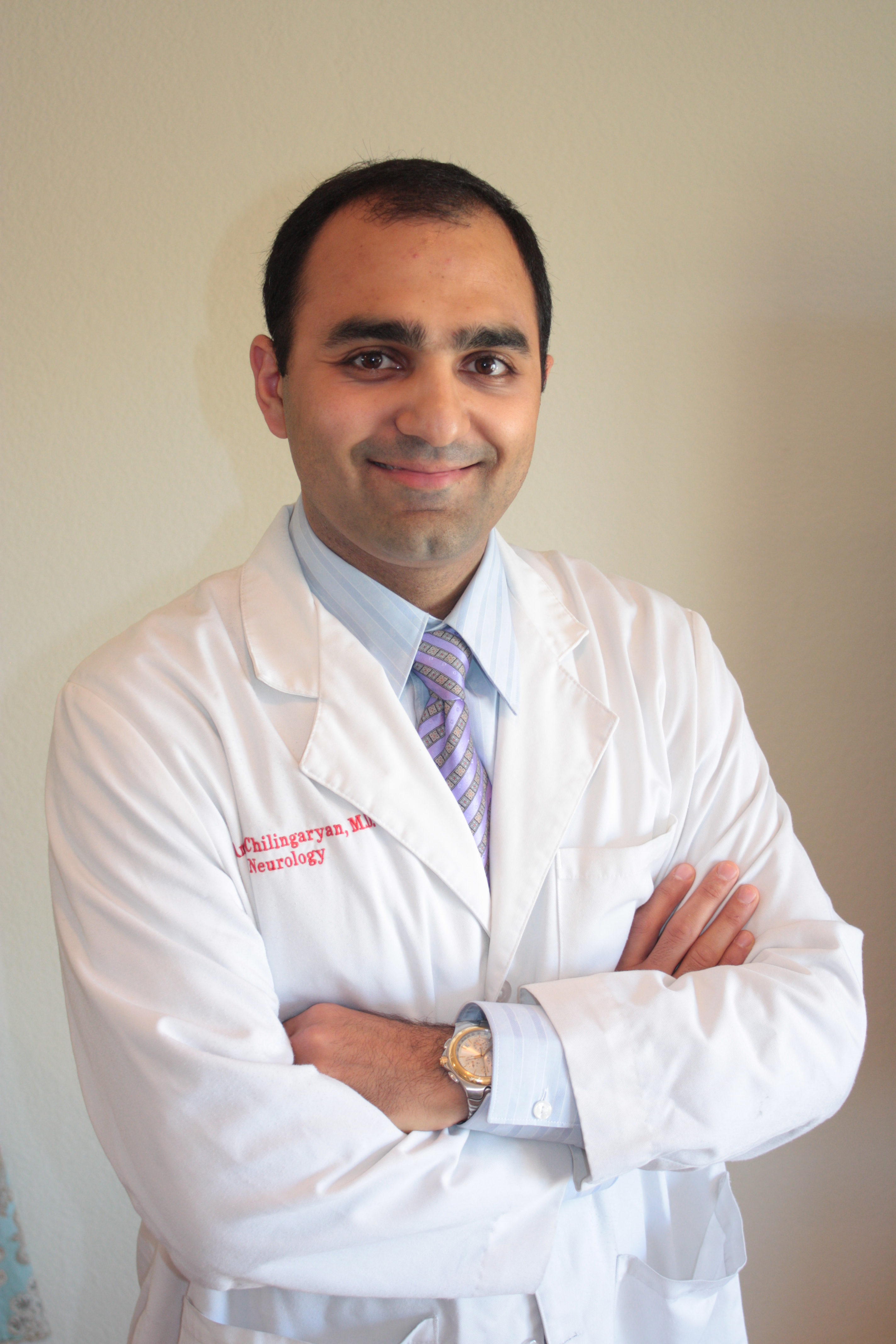
Dr. Chilingaryan specializes in the diagnosis, management, and treatment of adult general neurology — bringing the precision of an academic clinician to an attentive, patient-first practice.
His clinical focus spans stroke, epilepsy, neuromuscular disorders, dementia and memory loss, multiple sclerosis, headache disorders, neuropathy, sleep disorders, neuropathic pain syndromes, traumatic brain injury, and movement disorders including Parkinson's disease.
Dr. Chilingaryan received his medical degree from the Chicago Medical School, followed by an internal medicine internship at UCSF Fresno, a neurology residency at the LAC/USC (Los Angeles County) Medical Center, and a clinical neurophysiology fellowship at USC Keck Medical Center.
His fellowship training included electromyography and nerve conduction studies (EMG/NCS) for peripheral nervous system and muscle disorders, electroencephalography (EEG) for epilepsy and central nervous system disorders, evoked potentials, and sleep medicine. He has presented at national neurological conferences and developed novel staining techniques for human nerve cells and microvasculature — work published in peer-reviewed journals.
Dr. Chilingaryan practices evidence-based medicine in a multidisciplinary approach, coordinating care with other physicians and healthcare professionals to best serve each patient's neurological health.
The services below reflect the breadth of conditions Dr. Chilingaryan evaluates and manages. Each patient receives an individualized workup — including, when indicated, on-site electrodiagnostic studies.
Evaluation of peripheral nervous system and muscle disease using clinical assessment and electrodiagnostic testing.
On-site nerve conduction studies and needle EMG for diagnosing neuropathy, radiculopathy, and myopathies.
Diagnostic workup and management of peripheral nerve disorders, including polyneuropathies and focal entrapments.
Treatment of neuropathic pain syndromes including post-herpetic neuralgia and diabetic neuropathic pain.
Diagnosis and long-term management of seizure disorders, including medication optimization and counseling.
Interpretation of EEG studies for the evaluation of epilepsy and other central nervous system disorders.
Secondary prevention, risk factor management, and follow-up care for patients with cerebrovascular disease.
Diagnosis and treatment of primary and secondary headaches, including preventive and abortive therapies.
Assessment of cognitive decline, including Alzheimer's disease and other dementias, with family-centered care planning.
Long-term management of multiple sclerosis and related demyelinating disorders.
Post-concussion care and neurological follow-up after traumatic brain injury.
Evaluation of sleep-related neurological disorders and coordination of polysomnography when indicated.
Dr. Chilingaryan's clinical practice is informed by a deep familiarity with neurodiagnostic technologies — and by his original contributions to neuroscience research, including novel staining techniques for human nerve cells and microvasculature developed during his time at USC Keck School of Medicine.
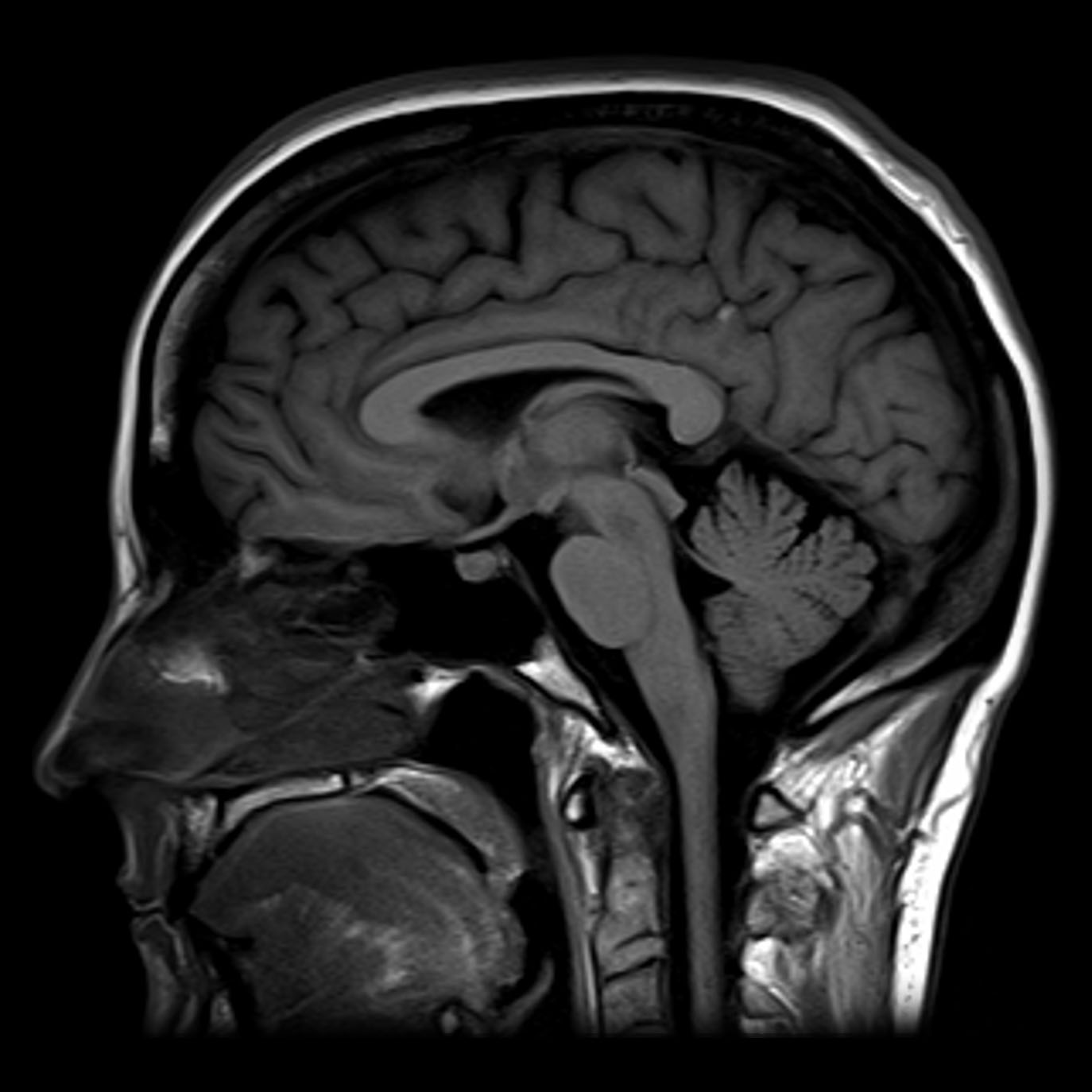
Structural Imaging
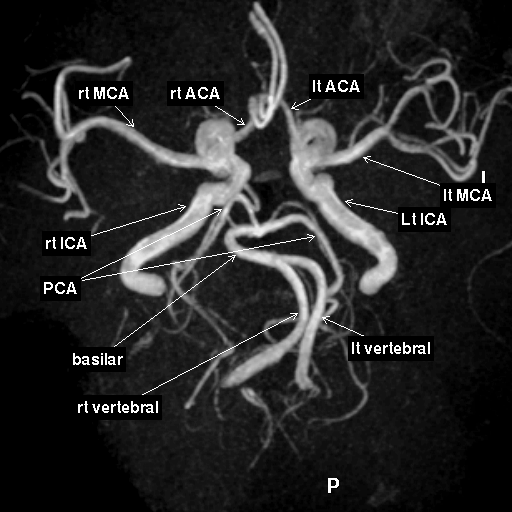
Circle of Willis
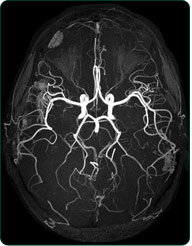
Vascular Imaging
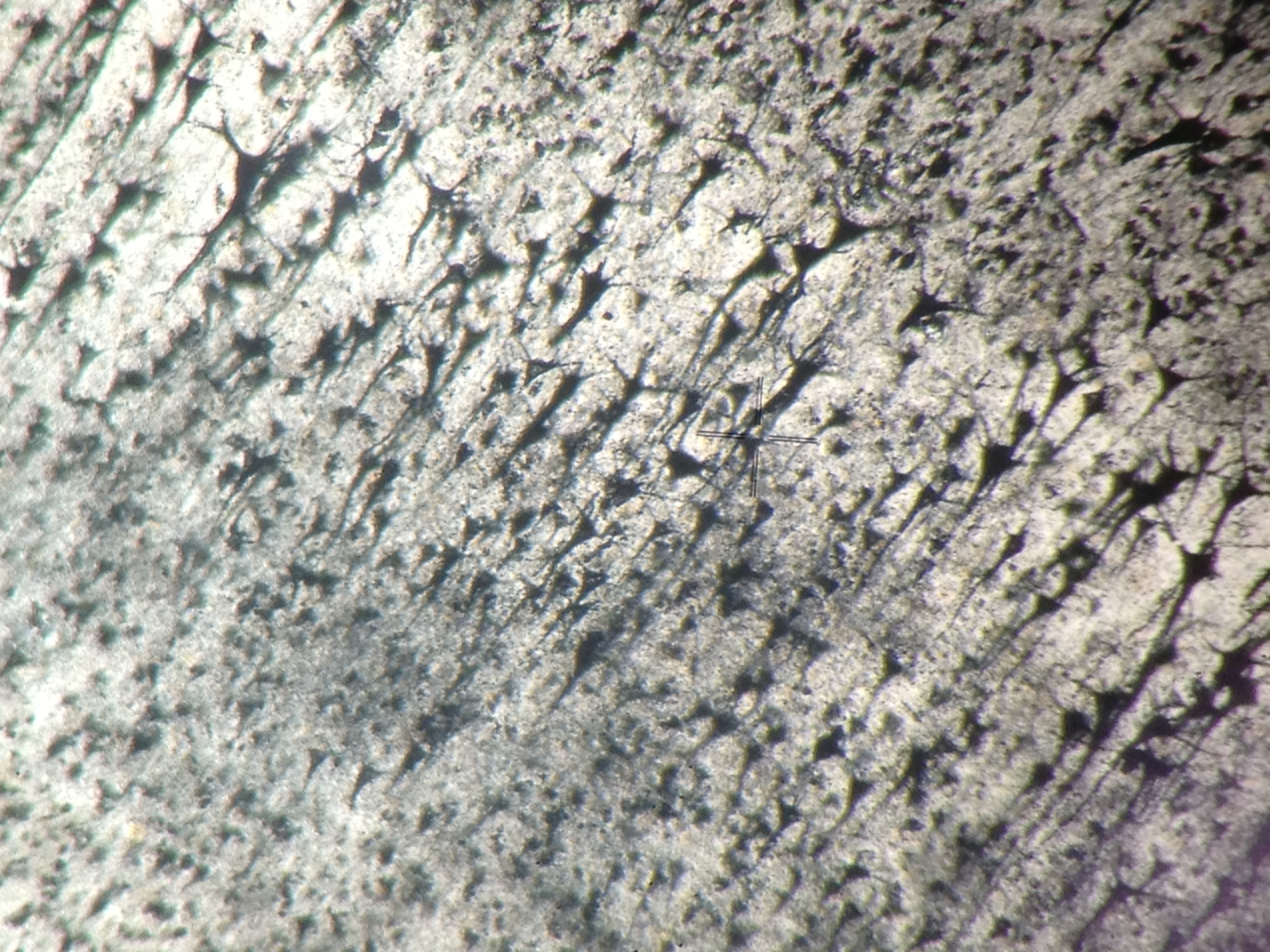
Dr. Chilingaryan · USC
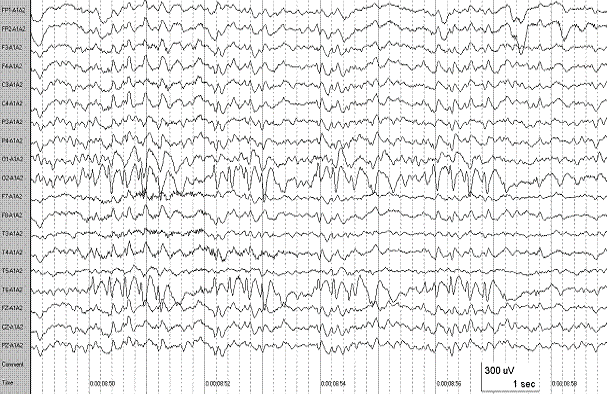
EEG Recording
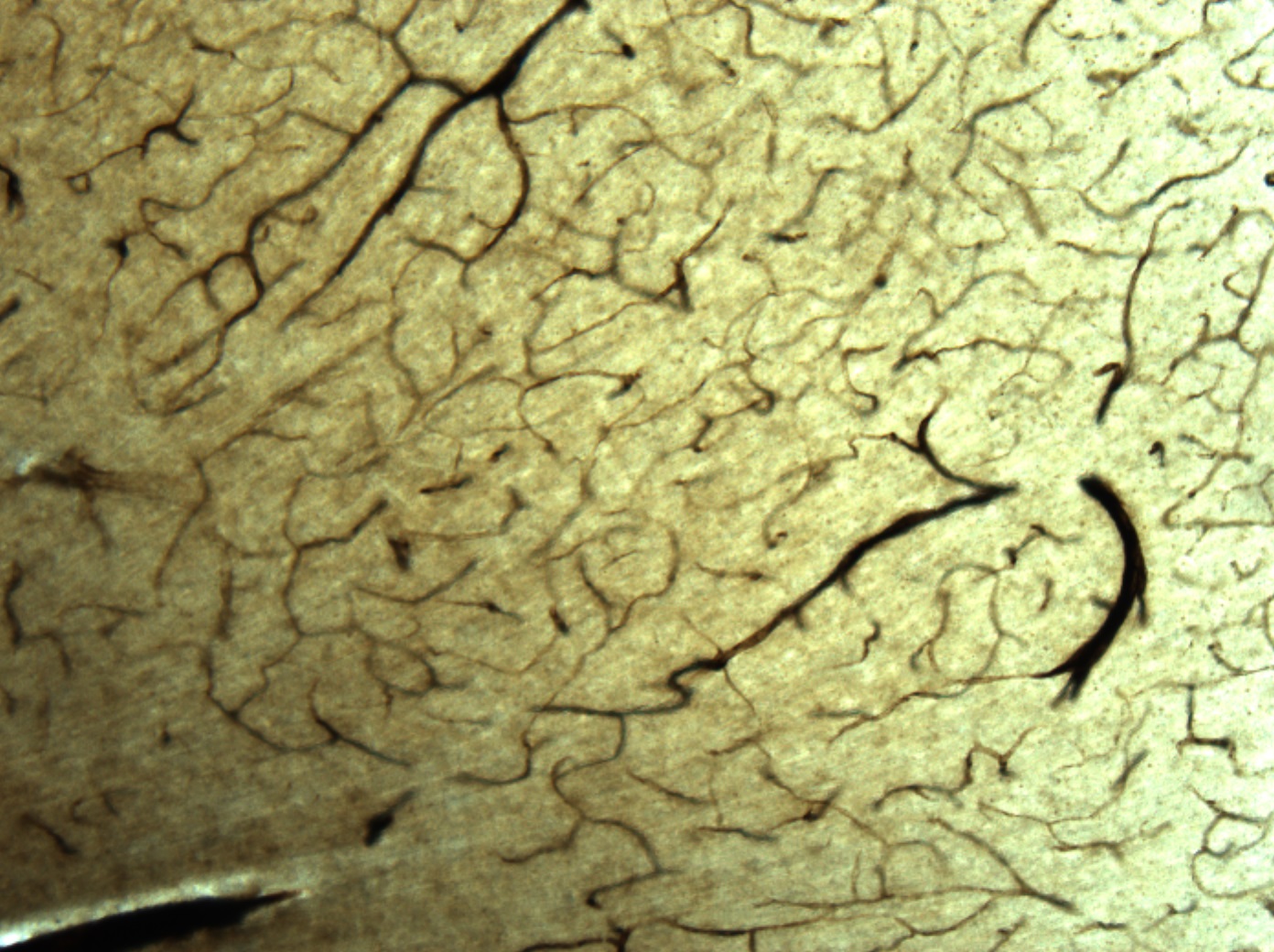
Ca²⁺-ATPase Method
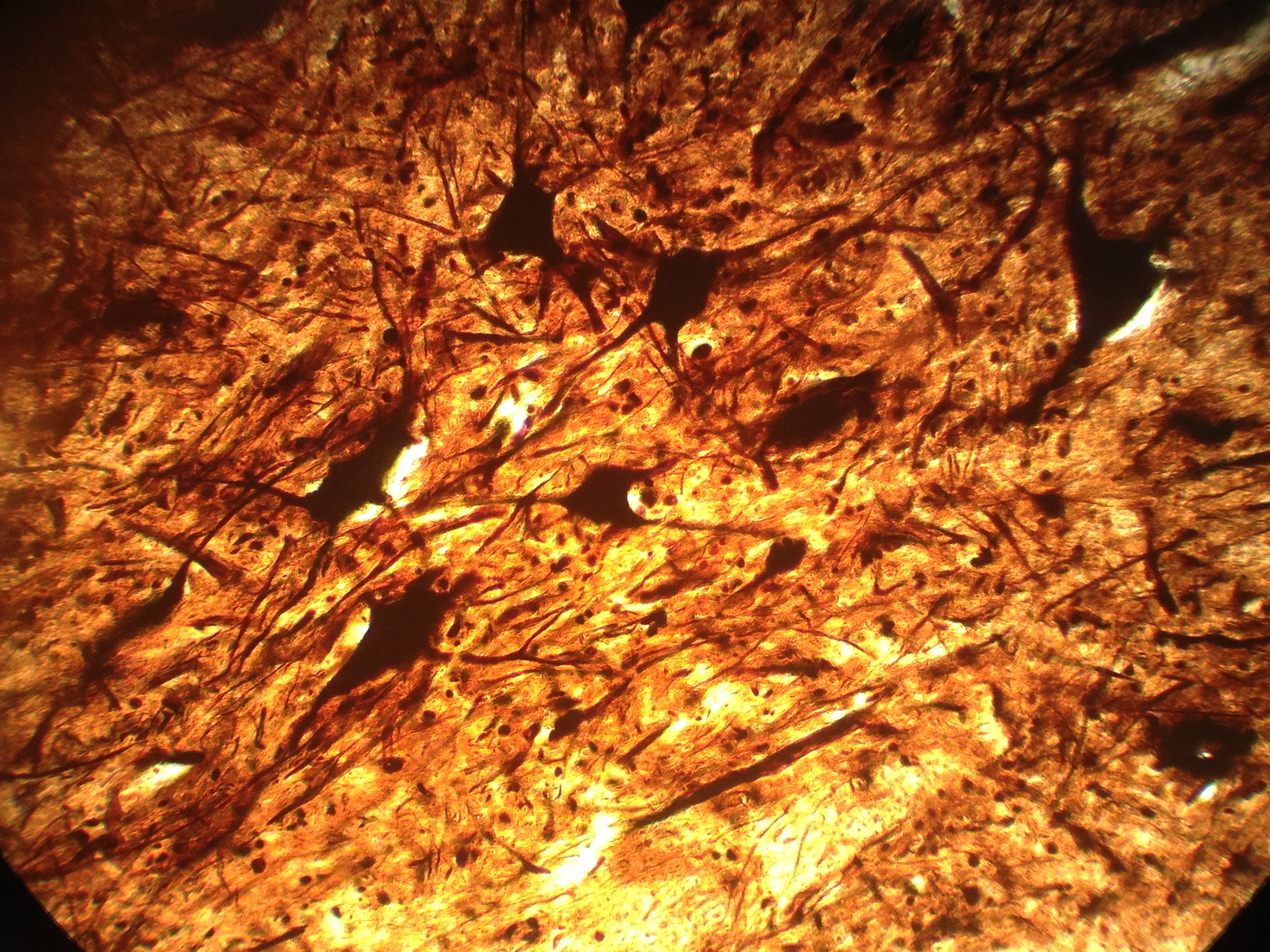
Lead Staining Technique
Dr. Chilingaryan has contributed to peer-reviewed literature in neuropathology and microvascular biology, and has served as sub-investigator on multiple Phase III clinical trials in neuromuscular and pain medicine.
Sub-investigator on multiple Phase III trials, including the PATH Study (IgPro20 subcutaneous immunoglobulin for CIDP), studies of controlled-release pregabalin for post-herpetic neuralgia and post-traumatic peripheral neuropathic pain, the NXN-462 PHN trial, and the REGAIN study of eculizumab in refractory generalized myasthenia gravis.
Before arriving, please complete the patient questionnaire. Your responses help us prepare a focused evaluation during our limited time together.
If you are scheduled for electromyography or nerve conduction studies, please follow these preparations to ensure accurate results.
Please inform the office at least 24 hours in advance if you need to reschedule or cancel. Last-minute changes delay care for other patients and consume doctor and staff resources. We appreciate your understanding.